Search

Puddle Fun Without Limits: The Best Rain Gear for Kids

Well-equipped with children in the rain.

Puddle Fun Without Limits: The Best Rain Gear for Kids

Well-equipped with children in the rain.

Rainy weather is no reason to stay indoors! Children love jumping through puddles, playing in the mud, and having adventures. But without the right clothing, the fun quickly ends – cold, wet clothes can ruin the day. With the right rainwear for children, your child will stay dry and warm and can play carefree. In this article, you'll learn what to look out for when buying and which rain jacket, rain pants, and wellington boots are best suited.

The Most Important Components of Children's Rainwear

Rain Jacket: Protection for Torso & Head

The rain jacket is the centerpiece of rainwear. It protects against wetness, wind, and keeps your child warm. Pay attention to these criteria when buying:

Material: Make sure the jacket is waterproof (not just water-repellent). The water column rating provides information about its waterproofness.

Breathability: Your child should feel comfortable and not sweat. High-quality jackets ensure good air circulation.

Lined or unlined: Lined models are suitable for cold days, unlined ones are ideal for warmer rainy days.

Hood: A well-fitting or even adjustable hood optimally protects the head from rain and wind.

Colors: For visibility in traffic in bad weather, rain jackets with bright colors are better. Models with playful prints are particularly popular with children.

Mud Pants or Rain Pants: Stay Dry from the Waist Down

Whether your child needs mud pants or rain pants depends on the situation.

Bib overalls offer additional protection, as they reach up to the chest. Perfect for smaller children who love to play in sand and mud even in heavy rain! Rain pants with a waistband are more flexible and easier to put on, especially after the diaper stage, but not as secure in heavy rain.

Well-fitting elastic bands at the waist and adjustable straps are important so that the rain pants do not slip. Tip: An elastic stirrup over the boots ensures that the rain pants do not ride up and prevents moisture from entering the rubber boots.


Rain Jacket: Protection for Torso & Head

The rain jacket is the centerpiece of rainwear. It protects against wetness, wind, and keeps your child warm. Pay attention to these criteria when buying:

Material: Make sure the jacket is waterproof (not just water-repellent). The water column rating provides information about its waterproofness.

Breathability: Your child should feel comfortable and not sweat. High-quality jackets ensure good air circulation.

Lined or unlined: Lined models are suitable for cold days, unlined ones are ideal for warmer rainy days.

Hood: A well-fitting or even adjustable hood optimally protects the head from rain and wind.

Colors: For visibility in traffic in bad weather, rain jackets with bright colors are better. Models with playful prints are particularly popular with children.

Mud Pants or Rain Pants: Stay Dry from the Waist Down

Whether your child needs mud pants or rain pants depends on the situation.

Bib overalls offer additional protection, as they reach up to the chest. Perfect for smaller children who love to play in sand and mud even in heavy rain! Rain pants with a waistband are more flexible and easier to put on, especially after the diaper stage, but not as secure in heavy rain.

Well-fitting elastic bands at the waist and adjustable straps are important so that the rain pants do not slip. Tip: An elastic stirrup over the boots ensures that the rain pants do not ride up and prevents moisture from entering the rubber boots.

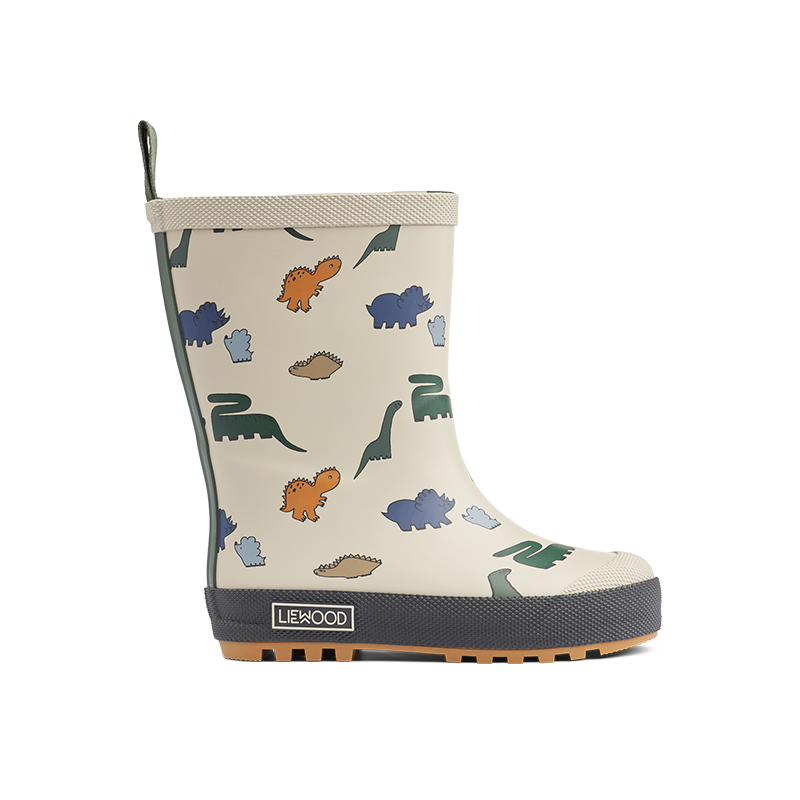
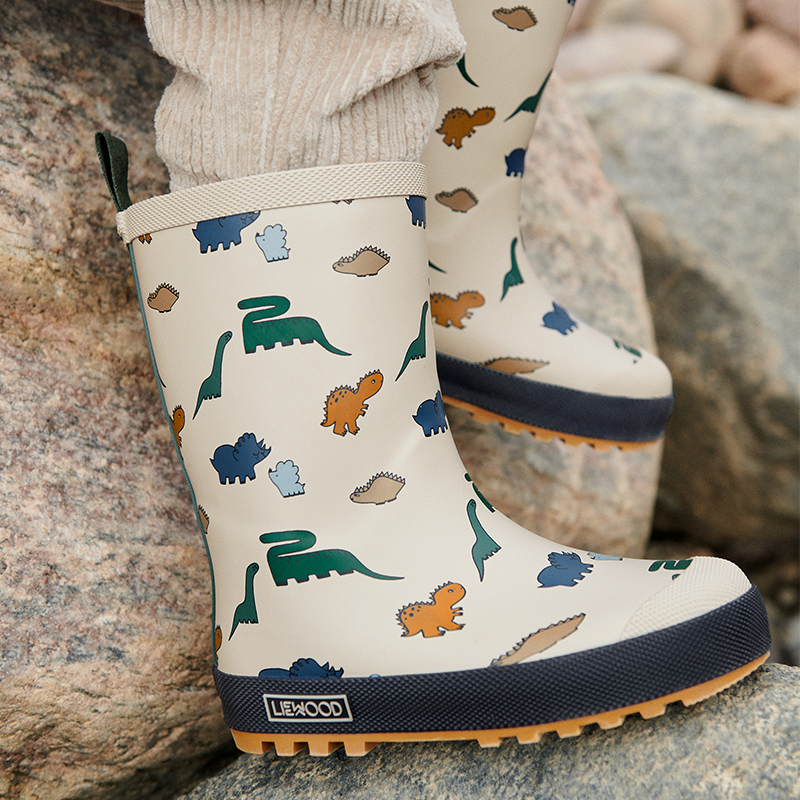
Rubber Boots: The Basis for Dry Feet

Material Choice: Natural Rubber or Plastic?

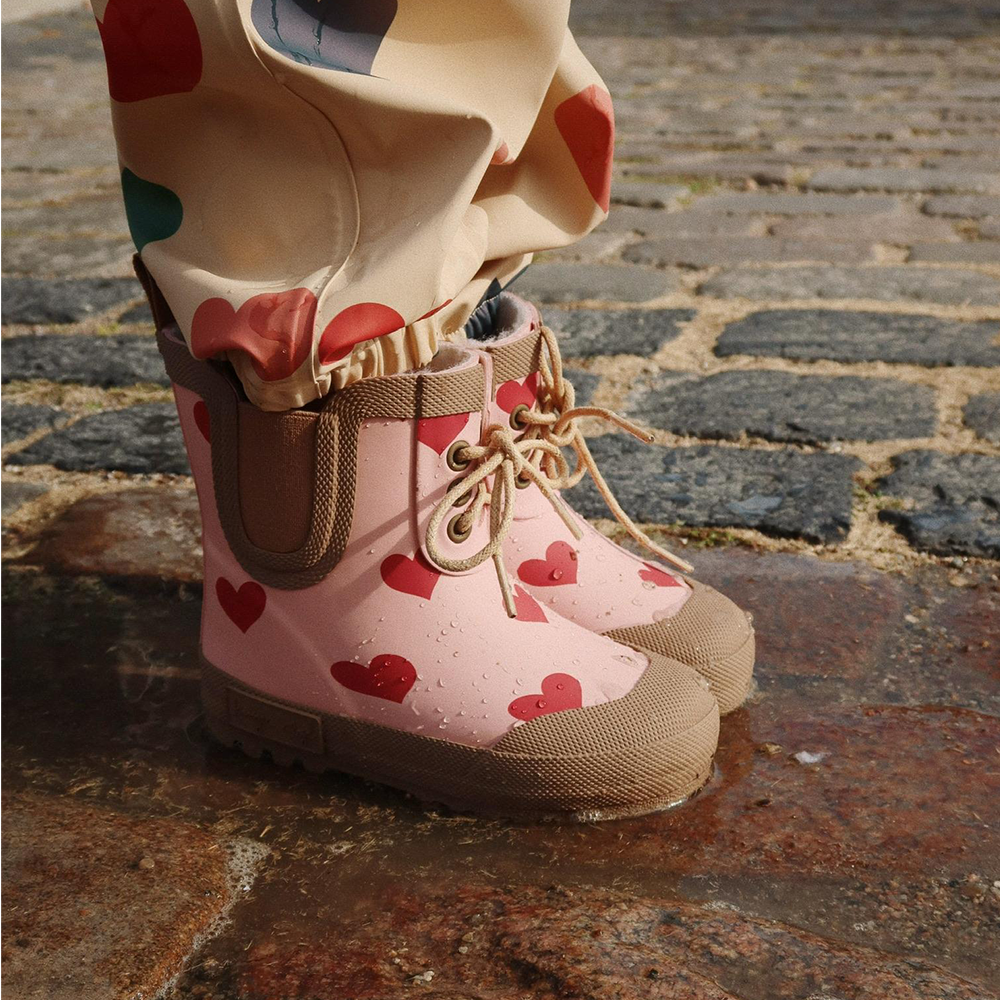
When choosing the material, there are two main options: rain boots made of natural rubber or plastic. Natural rubber is flexible, durable, and environmentally friendly, while plastic is often cheaper but less breathable and not as robust.

Lined or Unlined?

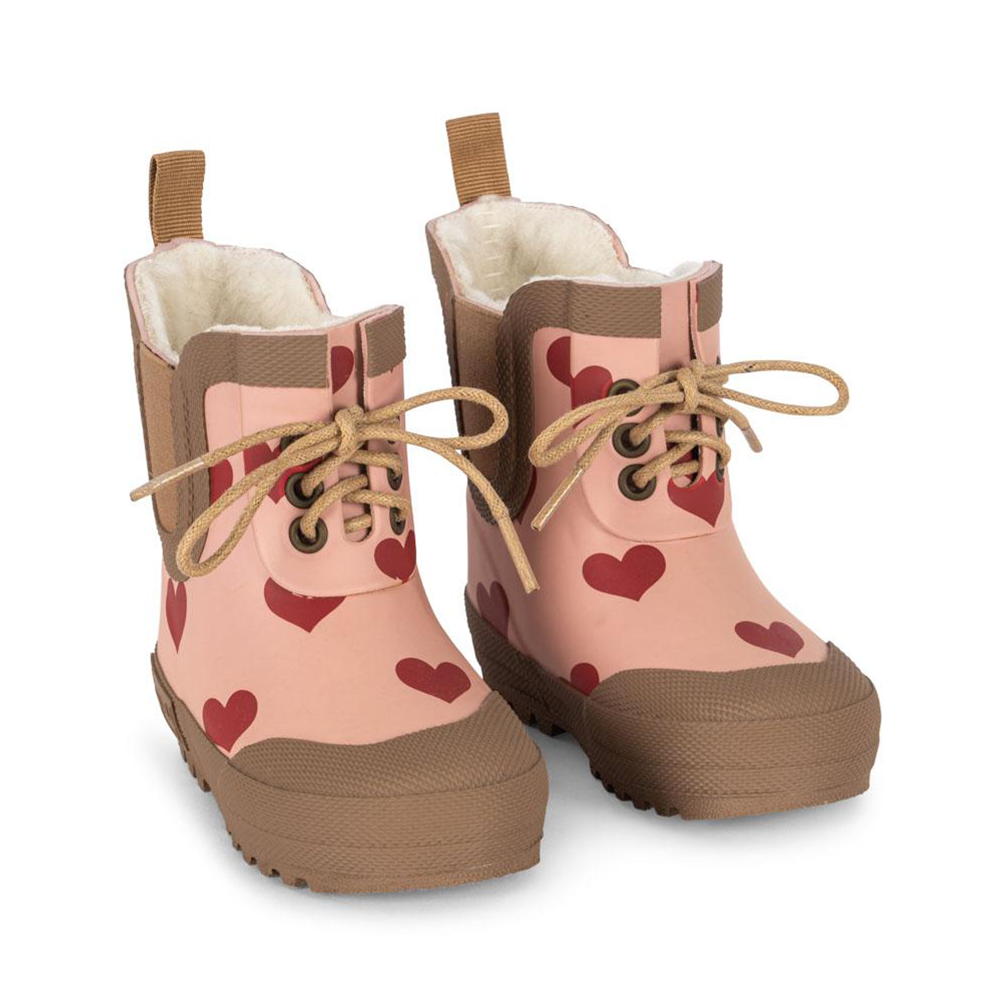
You can also choose between lined and unlined rubber boots. Lined models are ideal for autumn and winter, while unlined versions are perfect for warmer rainy days. If they are large enough, they can also be worn with thick socks on colder days.

Also, pay attention to non-slip soles so that your child is safe on wet surfaces.

Rubber Boots: The Basis for Dry Feet

Material Choice: Natural Rubber or Plastic?

When choosing the material, there are two main options: rain boots made of natural rubber or plastic. Natural rubber is flexible, durable, and environmentally friendly, while plastic is often cheaper but less breathable and not as robust.

Lined or Unlined?

You can also choose between lined and unlined rubber boots. Lined models are ideal for autumn and winter, while unlined versions are perfect for warmer rainy days. If they are large enough, they can also be worn with thick socks on colder days.
Also, pay attention to non-slip soles so that your child is safe on wet surfaces.

Accessories: Small extras that make all the difference

In addition to the basic equipment, there are practical accessories that will protect your child even better from wetness. Waterproof hats prevent rain from running into the collar. In the colder months, waterproof gloves keep your child's little hands warm and dry. Reflectors are also particularly important, as they increase visibility in bad weather and at dusk, thus ensuring greater safety.
Accessories: Small extras that make all the difference

In addition to the basic equipment, there are practical accessories that will protect your child even better from wetness. Waterproof hats prevent rain from running into the collar. In the colder months, waterproof gloves keep your child's little hands warm and dry. Reflectors are also particularly important, as they increase visibility in bad weather and at dusk, thus ensuring greater safety.

What to look for when buying?

Water Column & Impregnation – How waterproof should clothing be?

The water column indicates how waterproof a material is:

  • 1,500 mm – 5,000 mm: Water-repellent, sufficient for short rain showers.
  • 5,000 mm – 10,000 mm: Waterproof, ideal for longer rain.
  • 10,000 mm+: Extremely waterproof, perfect for heavy downpours and muddy adventures.

Additional impregnation helps to maintain the water-repellent function.

Freedom of Movement & Comfort – Comfortable despite protection

Children need a lot of freedom of movement. Make sure that rainwear is flexible and light so that it doesn't hinder play.

Sustainability & Materials – Environmentally friendly alternatives

Many brands rely on sustainable materials. Particularly recommended are:

  • PFC-free impregnations (without harmful chemicals)
  • Recycled materials
  • Natural rubber for wellington boots

At MY SNOWFLAKE, you'll find a large selection of high-quality, sustainable rainwear for children.

Water Column & Impregnation – How waterproof should clothing be?

The water column indicates how waterproof a material is:

  • 1,500 mm – 5,000 mm: Water-repellent, sufficient for short rain showers.
  • 5,000 mm – 10,000 mm: Waterproof, ideal for longer rain.
  • 10,000 mm+: Extremely waterproof, perfect for heavy downpours and muddy adventures.

Additional impregnation helps to maintain the water-repellent function.

Freedom of Movement & Comfort – Comfortable despite protection

Children need a lot of freedom of movement. Make sure that rainwear is flexible and light so that it doesn't hinder play.

Sustainability & Materials – Environmentally friendly alternatives

Many brands rely on sustainable materials. Particularly recommended are:

  • PFC-free impregnations (without harmful chemicals)
  • Recycled materials
  • Natural rubber for wellington boots

At MY SNOWFLAKE, you'll find a large selection of high-quality, sustainable rainwear for children.

Care & Storage of Rainwear

Proper drying and cleaning

Allow rainwear to dry after each use (do not place on a heater, as this can damage the material).

If necessary, clean with a damp cloth; remove heavier dirt with a soft brush.

Impregnating for longer durability

Regular impregnation ensures that rain jackets, rain trousers, and shoes remain waterproof for a long time. It is best to use PFC-free impregnating sprays.

Storage during the summer months

Store rubber boots in a dry and well-ventilated place during the summer months. Avoid direct sunlight, as this can make the material brittle.

Care & Storage of Rainwear

Proper drying and cleaning

Allow rainwear to dry after each use (do not place on a heater, as this can damage the material).

If necessary, clean with a damp cloth; remove heavier dirt with a soft brush.

Impregnating for longer durability

Regular impregnation ensures that rain jackets, rain trousers, and shoes remain waterproof for a long time. It is best to use PFC-free impregnating sprays.

Storage during the summer months

Store rubber boots in a dry and well-ventilated place during the summer months. Avoid direct sunlight, as this can make the material brittle.

Conclusion

Weather is no obstacle to outdoor fun and games! With the right rainwear for children, your child will stay dry and warm. When buying, pay attention to waterproof materials, good freedom of movement, and sustainable quality.

At MY SNOWFLAKE, you'll find a large selection of high-quality rainwear from sustainable and functional brands for children. So, nothing stands in the way of the next puddle fun!

Frequently Asked Questions

What clothing should my child wear under rainwear?

Under rainwear, your child should wear breathable clothing that wicks away moisture. Functional underwear or cotton shirts with a warming layer such as fleece are ideal.

How often should I waterproof rainwear?

Waterproofing should be renewed every few months, depending on use. As soon as water no longer beads off properly, it's time for a new protective layer.

How can I prevent rain from running into sleeves or shoes?

Look for rain jackets with elastic cuffs and use rain pants with elasticated waistbands and foot loops. Rubber boots with high shafts or additional close-fitting socks prevent water from entering.

Conclusion

Weather is no obstacle to outdoor fun and games! With the right rainwear for children, your child will stay dry and warm. When buying, pay attention to waterproof materials, good freedom of movement, and sustainable quality.

At MY SNOWFLAKE, you'll find a large selection of high-quality rainwear from sustainable and functional brands for children. So, nothing stands in the way of the next puddle fun!

Frequently Asked Questions

What clothing should my child wear under rainwear?

Under rainwear, your child should wear breathable clothing that wicks away moisture. Functional underwear or cotton shirts with a warming layer such as fleece are ideal.

How often should I waterproof rainwear?

Waterproofing should be renewed every few months, depending on use. As soon as water no longer beads off properly, it's time for a new protective layer.

How can I prevent rain from running into sleeves or shoes?

Look for rain jackets with elastic cuffs and use rain pants with elasticated waistbands and foot loops. Rubber boots with high shafts or additional close-fitting socks prevent water from entering.