












Your baby's due date is fast approaching. However, when talking to other expectant parents, you constantly hear about new, important things you absolutely must get for your new child. Besides a crib, the term baby nest quickly comes up in these conversations. Is it really as necessary as everyone claims? And what should you consider?
In this article, we'll explain what a baby nest can be good for and what 5 things you should look out for when buying one, so you can find the ideal nest for your baby.
Your baby's due date is fast approaching. However, when talking to other expectant parents, you constantly hear about new, important things you absolutely must get for your new child. Besides a crib, the term baby nest quickly comes up in these conversations. Is it really as necessary as everyone claims? And what should you consider?
In this article, we'll explain what a baby nest can be good for and what 5 things you should look out for when buying one, so you can find the ideal nest for your baby.
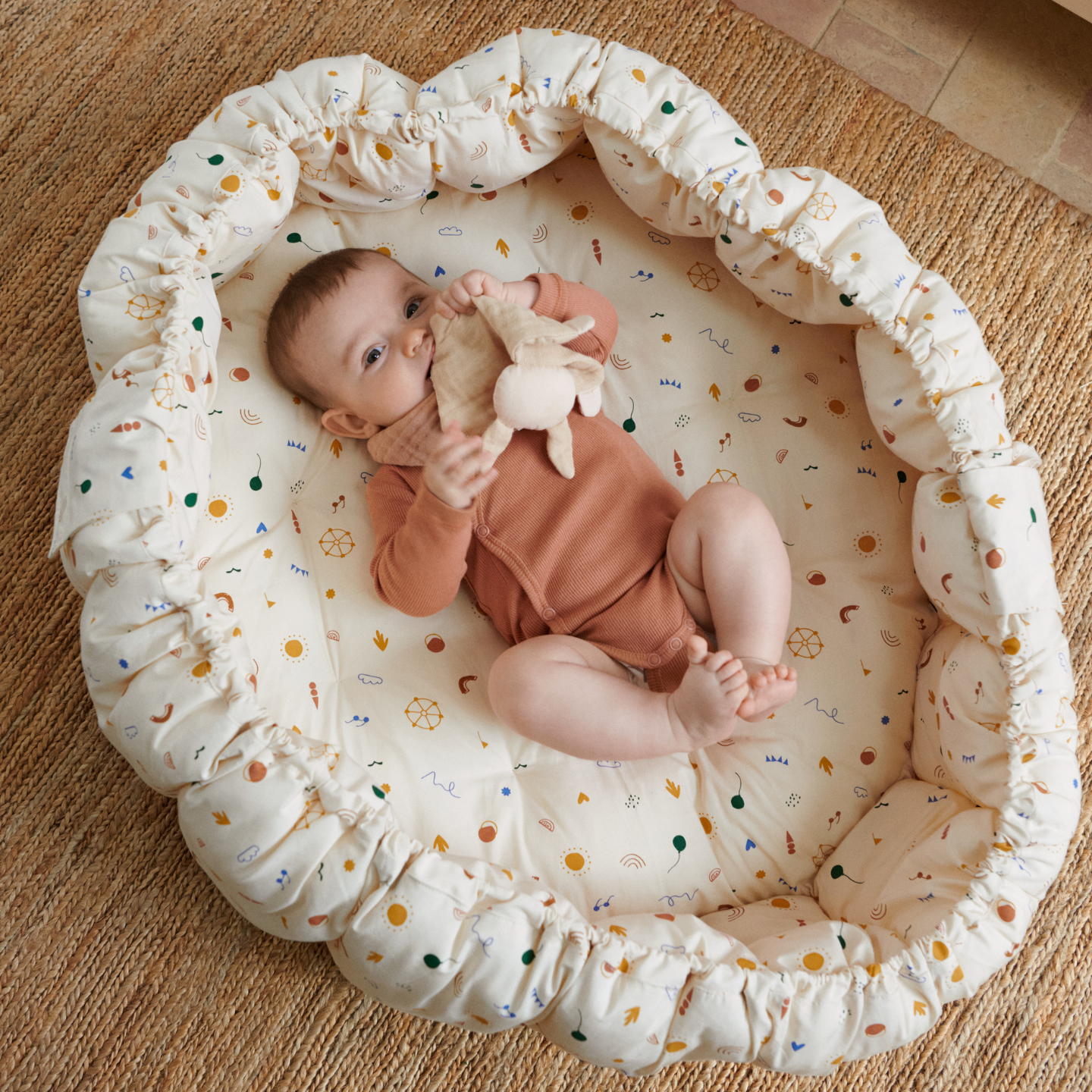
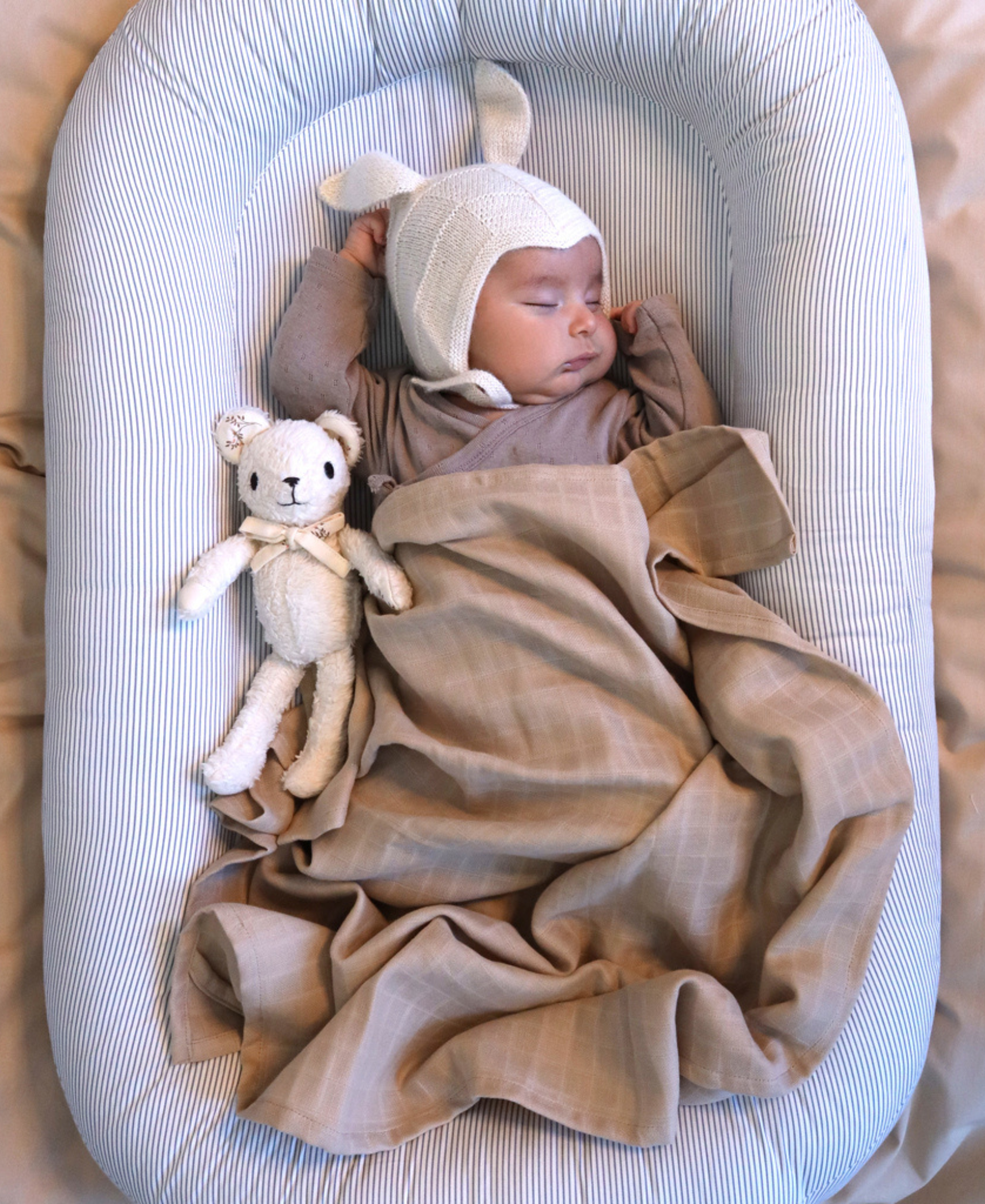
A baby nest is a versatile and practical item for newborns and infants from birth up to approx. 6 months.
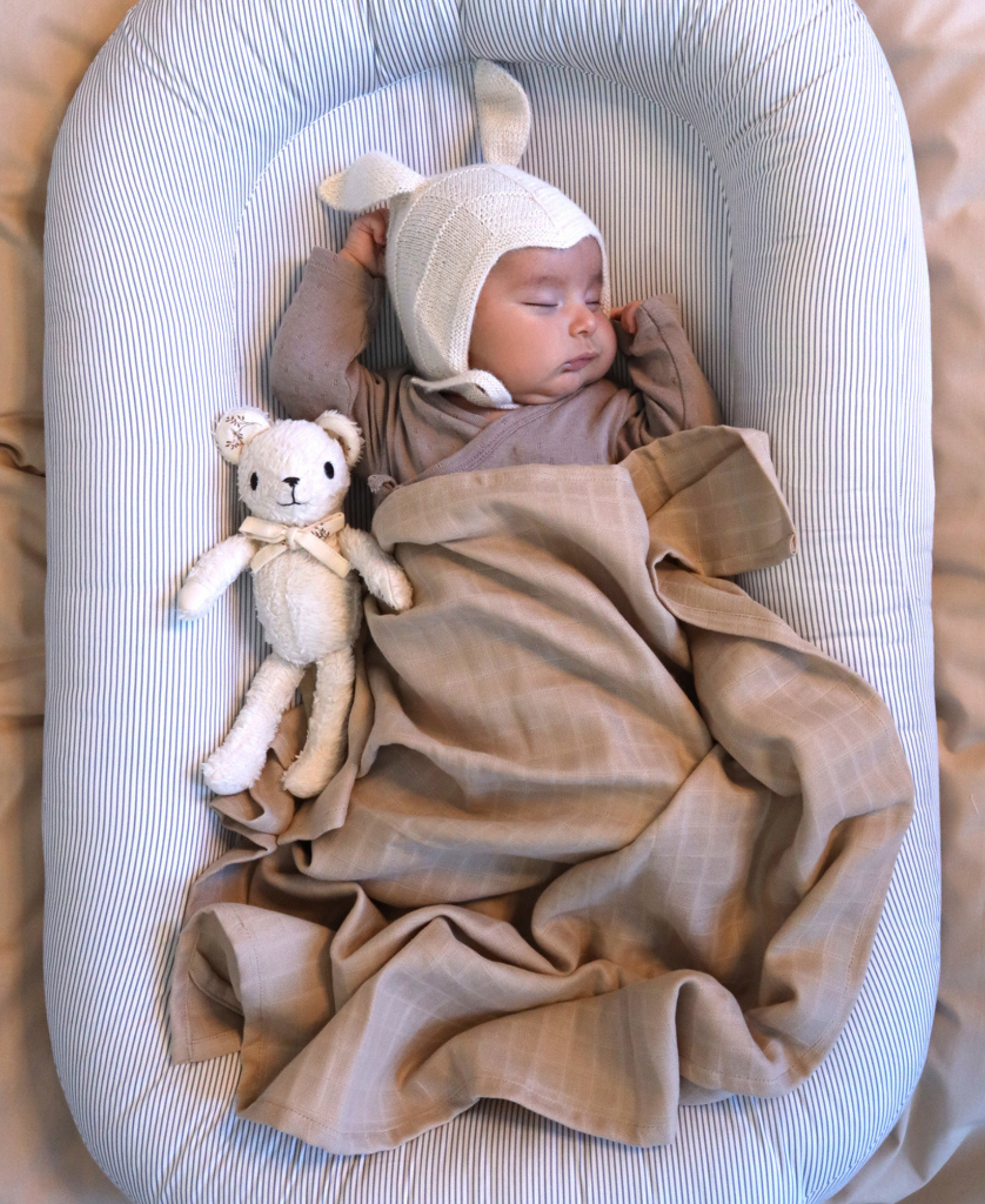
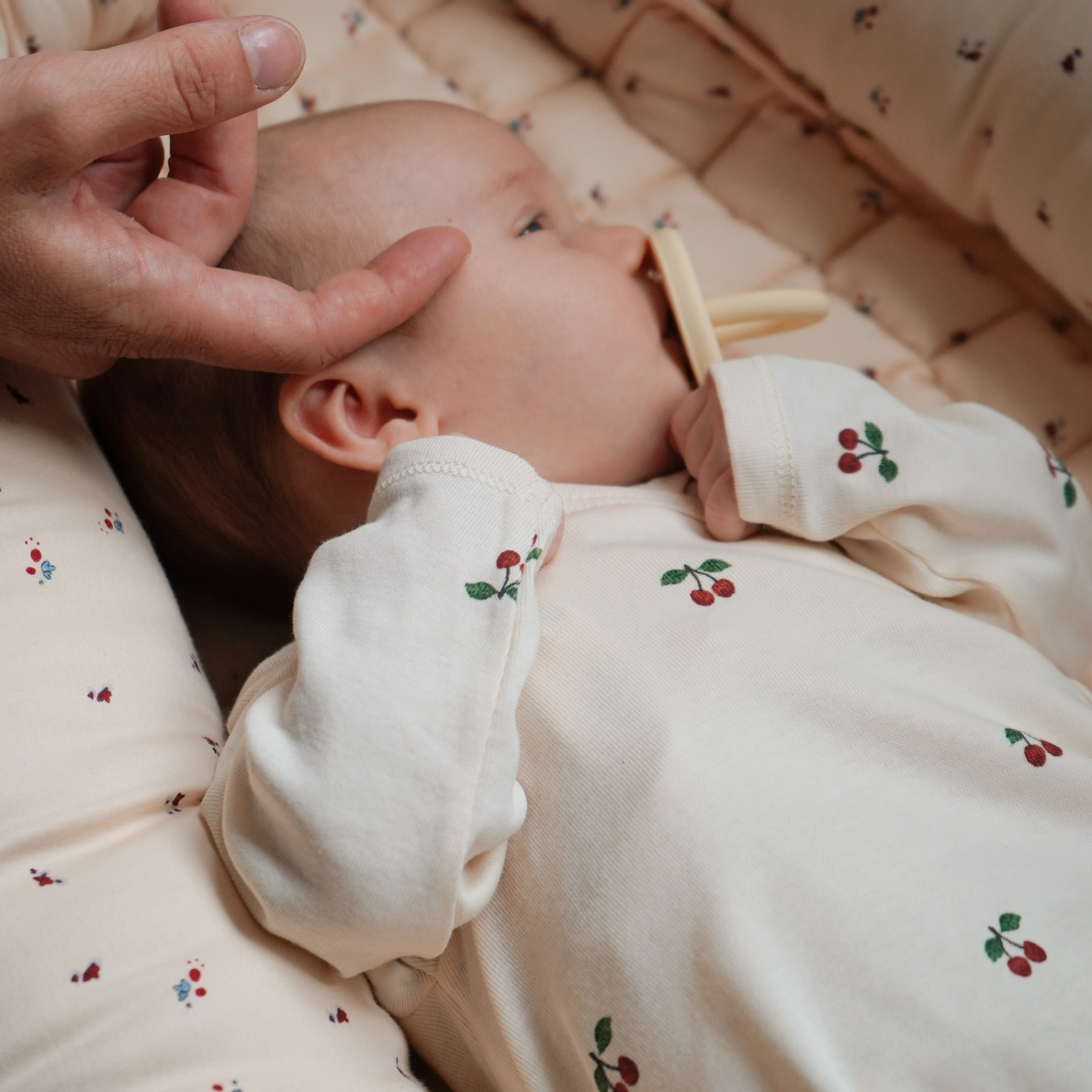
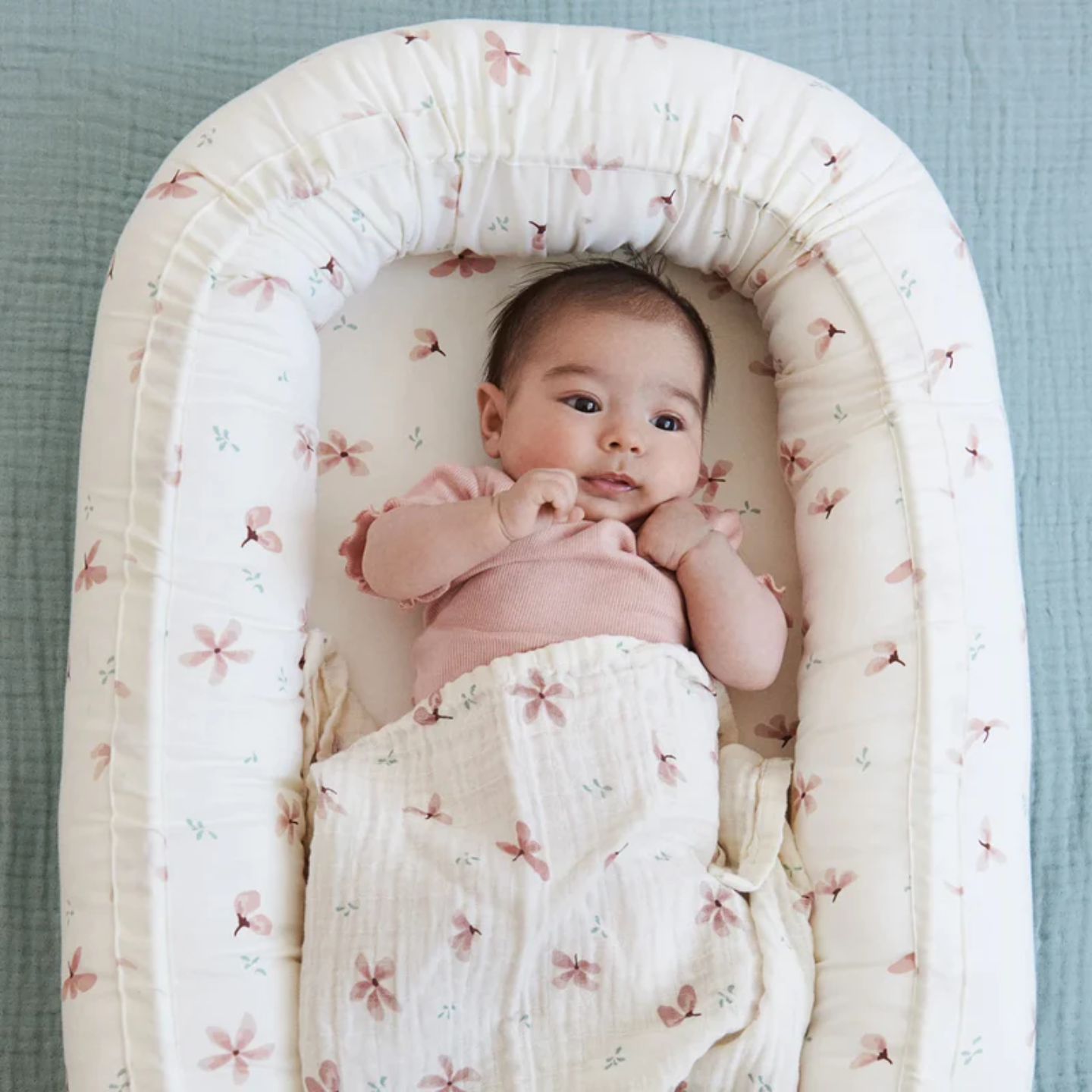
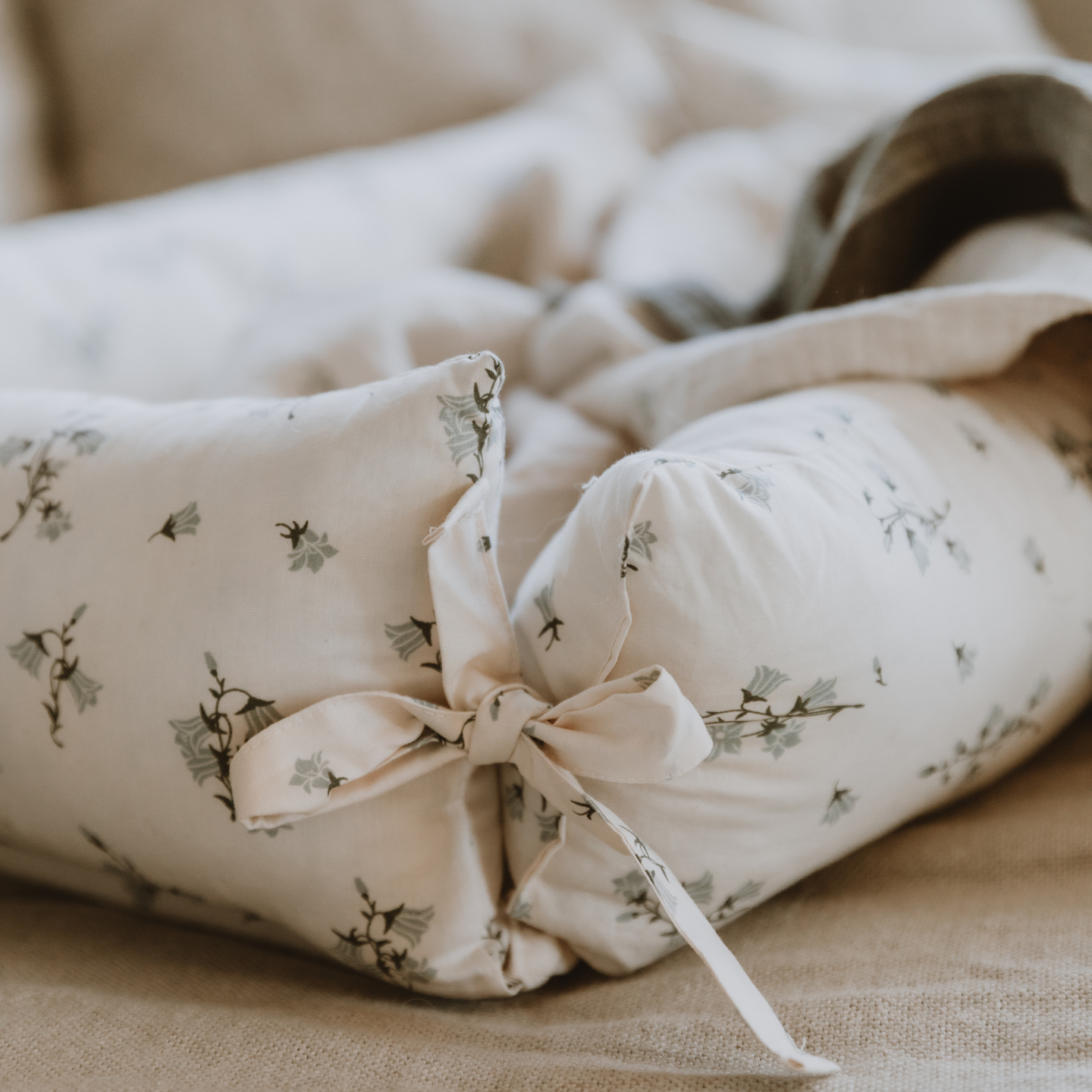
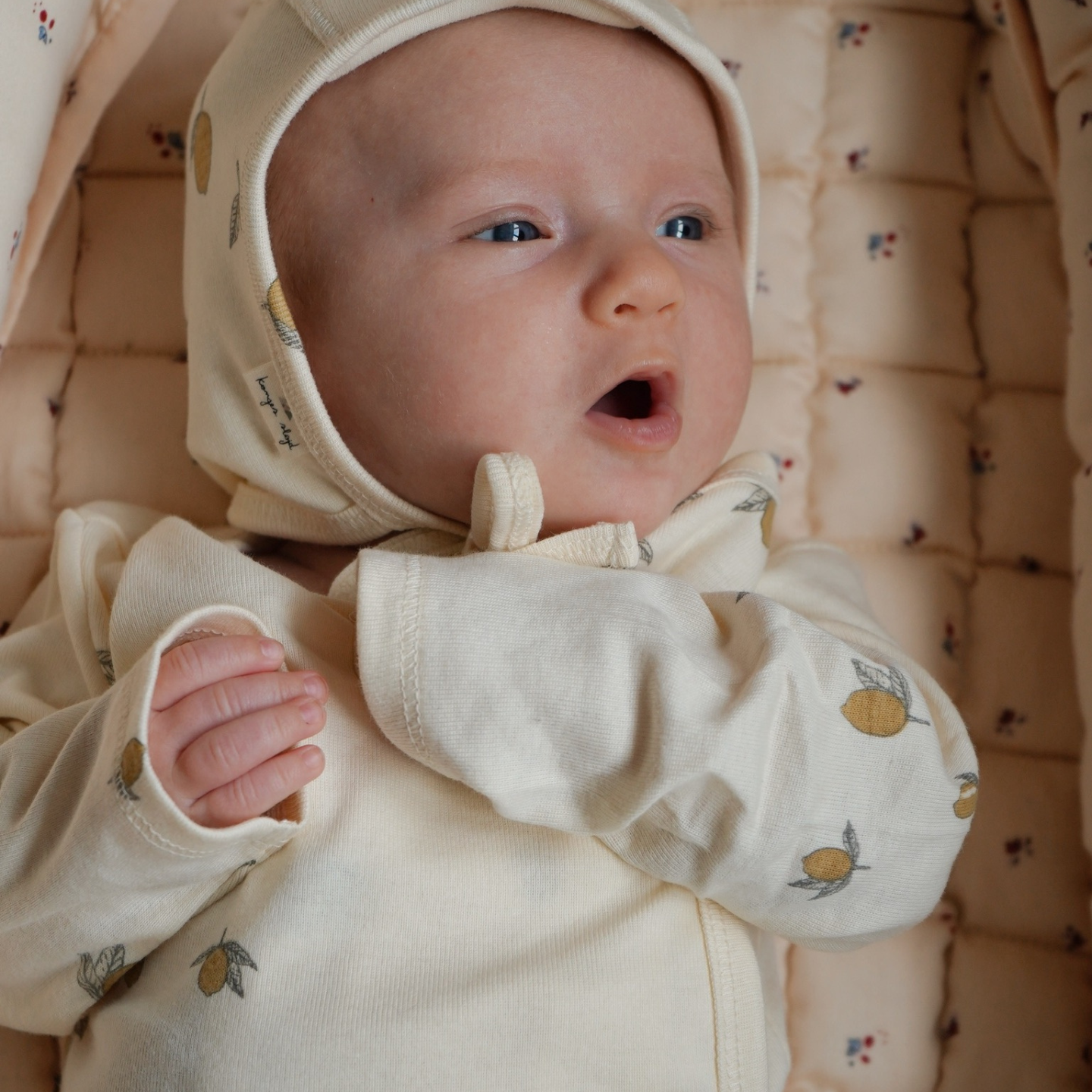
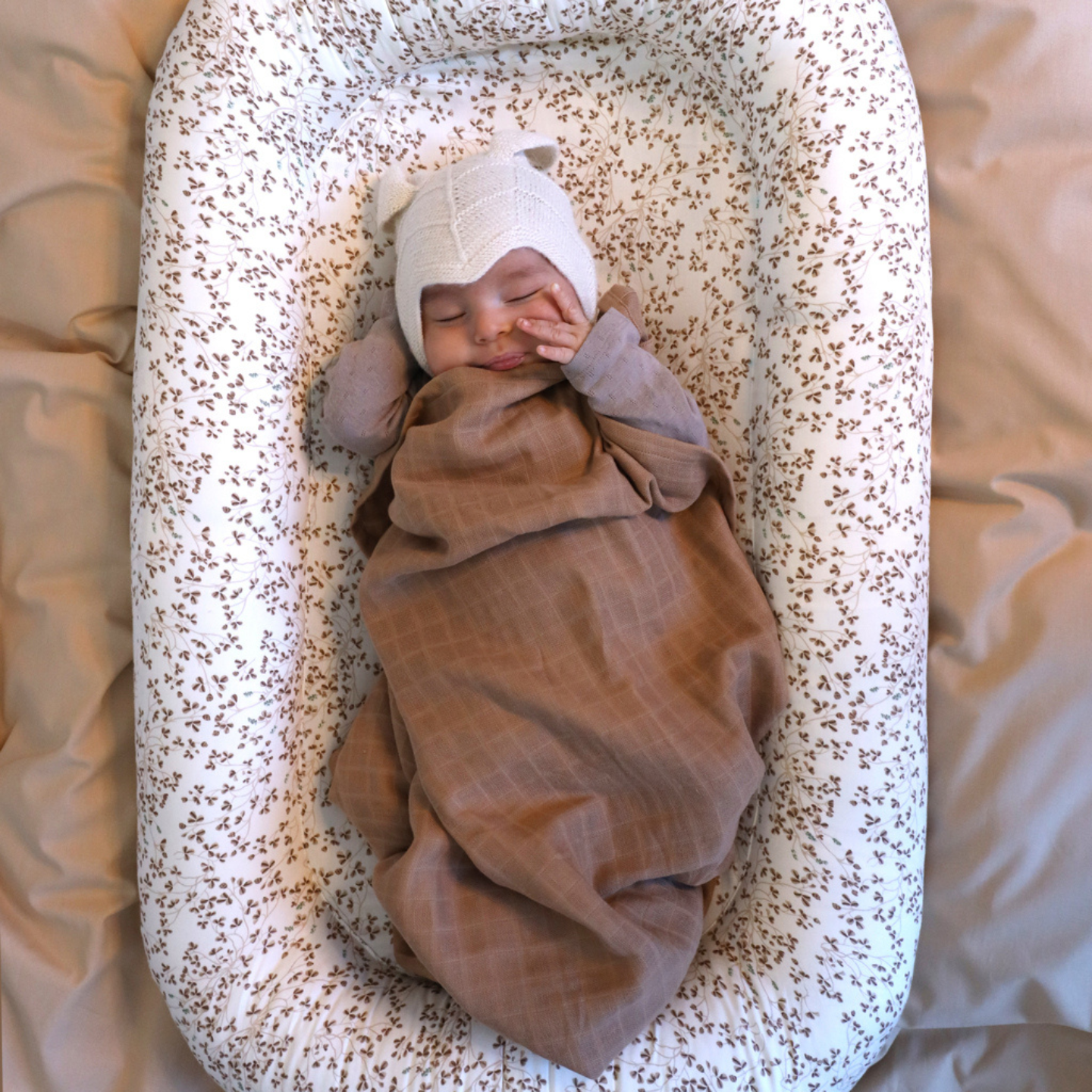
It is a padded, usually oval or rectangular sleeping surface with raised edges that snugly envelops your baby while sleeping and mimics the feeling of confinement in the womb. This gives your baby security, comfort and safety while sleeping. Baby nests are usually lightweight, portable and often covered with soft materials such as cotton or microfiber.
Of course, a baby nest does not replace a cot, but it fulfils several important functions:
Firstly, it supports the baby's transition from the secure environment of the womb into the big, wide world by creating a familiar and comfortable environment – unlike the rather spacious cot. The confined sleeping area gives the baby a feeling of security, which can have a calming effect. Soft materials such as cotton also support the child's feeling of security.
Secondly, a baby nest is extremely practical for parents as it is easily movable and suitable for various uses. It can serve as a safe sleeping place in the parents' bed, as a boundary in the cot, as a cosy resting zone on the sofa or even as a travel cot. Due to its portability, parents can easily take the baby nest from room to room, which makes everyday life with a newborn easier.
Caution: Never leave your baby unattended in the baby nest; they could fall out.
A baby nest is a versatile and practical item for newborns and infants from birth up to approx. 6 months.
It is a padded, usually oval or rectangular sleeping surface with raised edges that snugly envelops your baby while sleeping and mimics the feeling of confinement in the womb. This gives your baby security, comfort and safety while sleeping. Baby nests are usually lightweight, portable and often covered with soft materials such as cotton or microfiber.
Of course, a baby nest does not replace a cot, but it fulfils several important functions:
Firstly, it supports the baby's transition from the secure environment of the womb into the big, wide world by creating a familiar and comfortable environment – unlike the rather spacious cot. The confined sleeping area gives the baby a feeling of security, which can have a calming effect. Soft materials such as cotton also support the child's feeling of security.
Secondly, a baby nest is extremely practical for parents as it is easily movable and suitable for various uses. It can serve as a safe sleeping place in the parents' bed, as a boundary in the cot, as a cosy resting zone on the sofa or even as a travel cot. Due to its portability, parents can easily take the baby nest from room to room, which makes everyday life with a newborn easier.
Caution: Never leave your baby unattended in the baby nest; they could fall out.
If you have decided to buy a baby nest, the next question is what aspects you need to consider. In the following 5 steps, we will present important criteria that you can use as a guide.
When selecting materials for baby nests, the health and well-being of the baby come first. Similar tips apply here as when buying cot bumpers: It is extremely important to use hypoallergenic, breathable and skin-friendly fabrics to avoid possible allergies or irritation of the baby's sensitive skin. Natural materials such as organic cotton or bamboo fibers are ideally suited for baby nests, as they are soft and gentle on the skin, wick away moisture, and allow for good air circulation. These properties help the baby sleep comfortably and safely, without excessive sweating or overheating. Our baby nests are all made of skin-friendly fabrics that are good for baby's skin, mainly from controlled organic cotton, GOTS certified.
A baby nest that is neither too large nor too tight promotes a cozy and safe sleeping environment for the baby. A nest that is too large can make the baby feel lost and unprotected, while a nest that is too tight can increase the risk of breathing difficulties or discomfort. It is important to ensure that the baby has enough sleeping space to move around, but without getting lost in the fabrics.
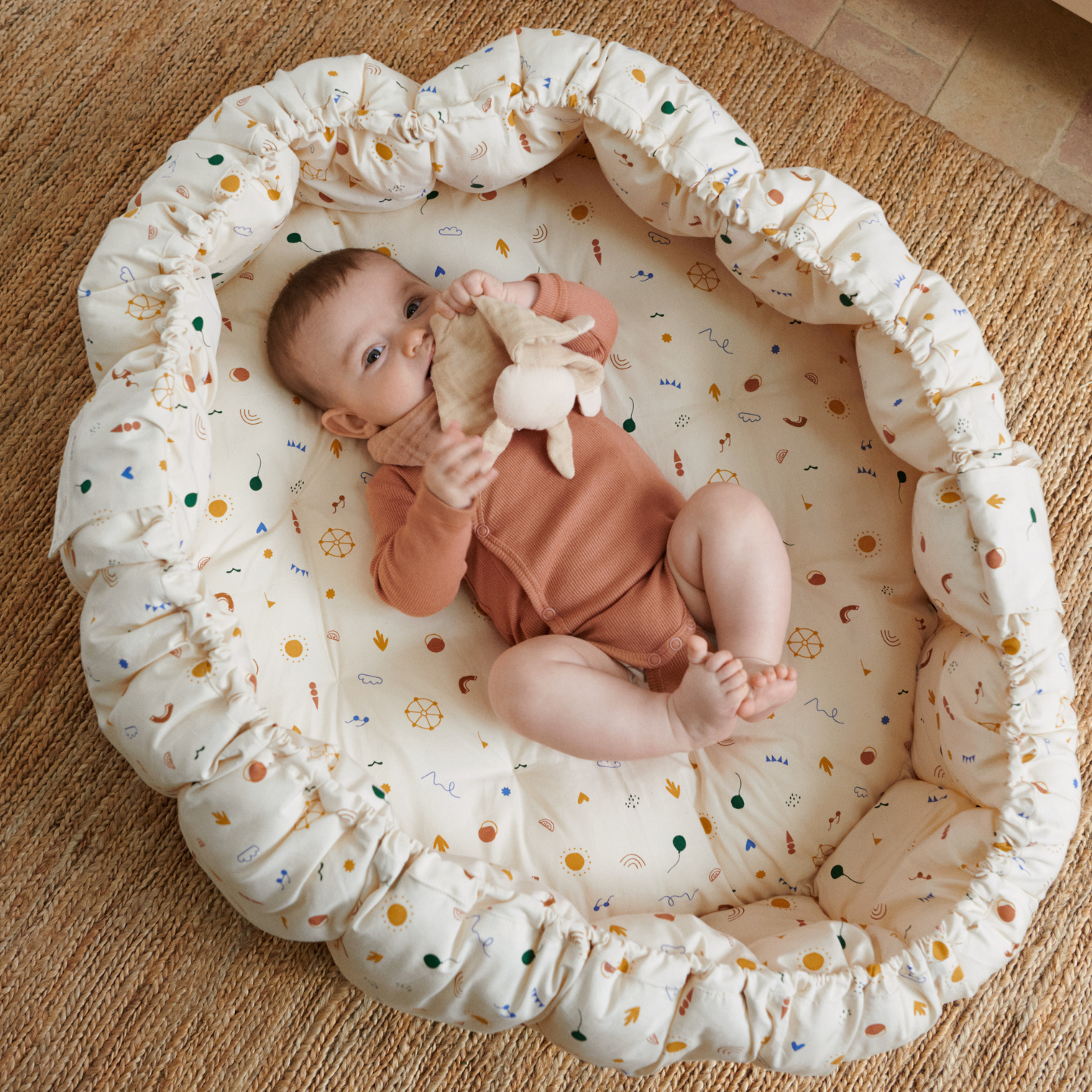
Certain baby nests have the advantage that they can remain in use beyond the first baby period. For example, the side walls of the Garbo & Friends baby nest can simply be folded down. If the baby becomes more mobile, you already have a soft play mat. With the baby nests from Konges Sløjd, the border can be removed and continue to be used as a cuddly bed snake.
If you have decided to buy a baby nest, the next question is what aspects you need to consider. In the following 5 steps, we will present important criteria that you can use as a guide.
When selecting materials for baby nests, the health and well-being of the baby come first. Similar tips apply here as when buying cot bumpers: It is extremely important to use hypoallergenic, breathable and skin-friendly fabrics to avoid possible allergies or irritation of the baby's sensitive skin. Natural materials such as organic cotton or bamboo fibers are ideally suited for baby nests, as they are soft and gentle on the skin, wick away moisture, and allow for good air circulation. These properties help the baby sleep comfortably and safely, without excessive sweating or overheating. Our baby nests are all made of skin-friendly fabrics that are good for baby's skin, mainly from controlled organic cotton, GOTS certified.
A baby nest that is neither too large nor too tight promotes a cozy and safe sleeping environment for the baby. A nest that is too large can make the baby feel lost and unprotected, while a nest that is too tight can increase the risk of breathing difficulties or discomfort. It is important to ensure that the baby has enough sleeping space to move around, but without getting lost in the fabrics.
Certain baby nests have the advantage that they can remain in use beyond the first baby period. For example, the side walls of the Garbo & Friends baby nest can simply be folded down. If the baby becomes more mobile, you already have a soft play mat. With the baby nests from Konges Sløjd, the border can be removed and continue to be used as a cuddly bed snake.
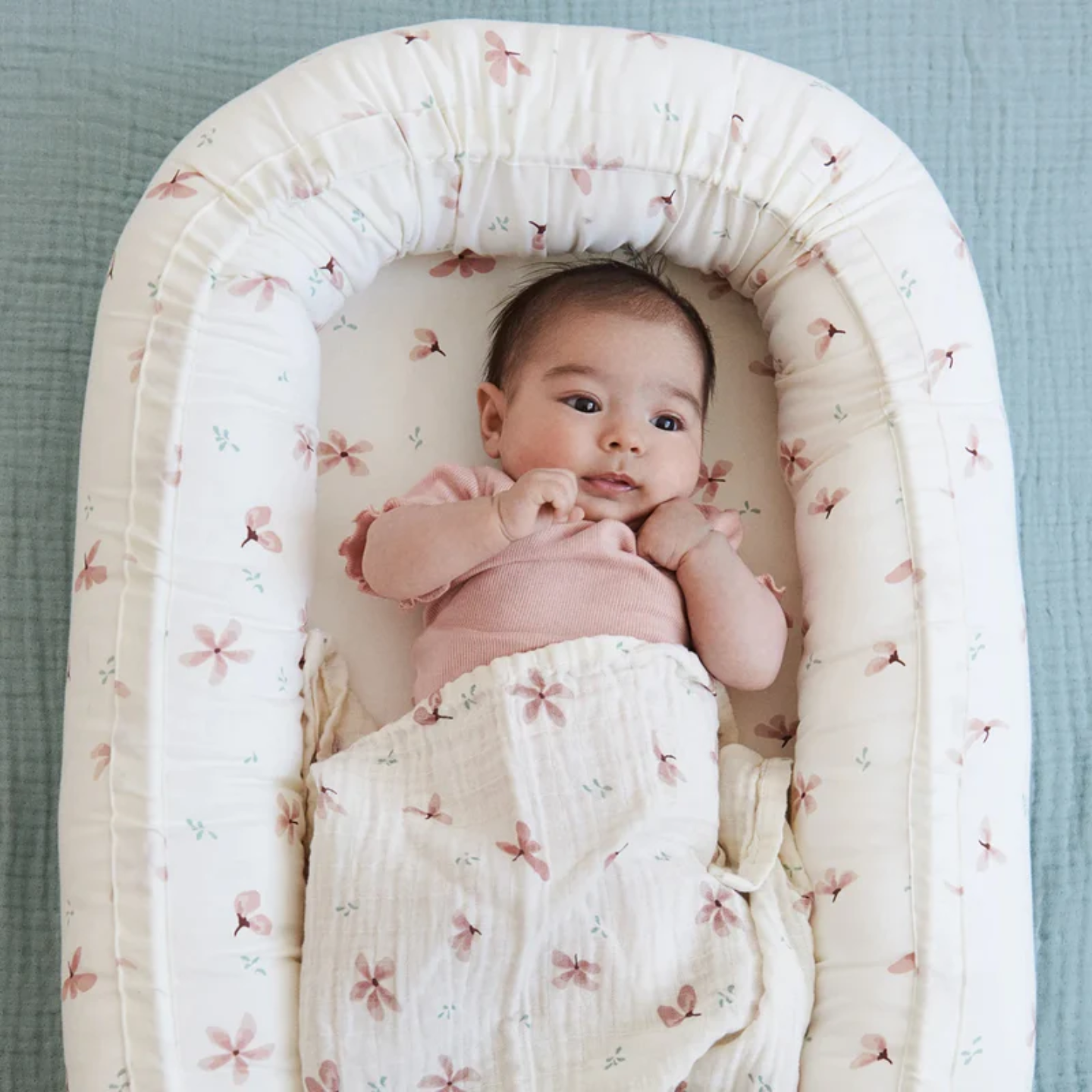
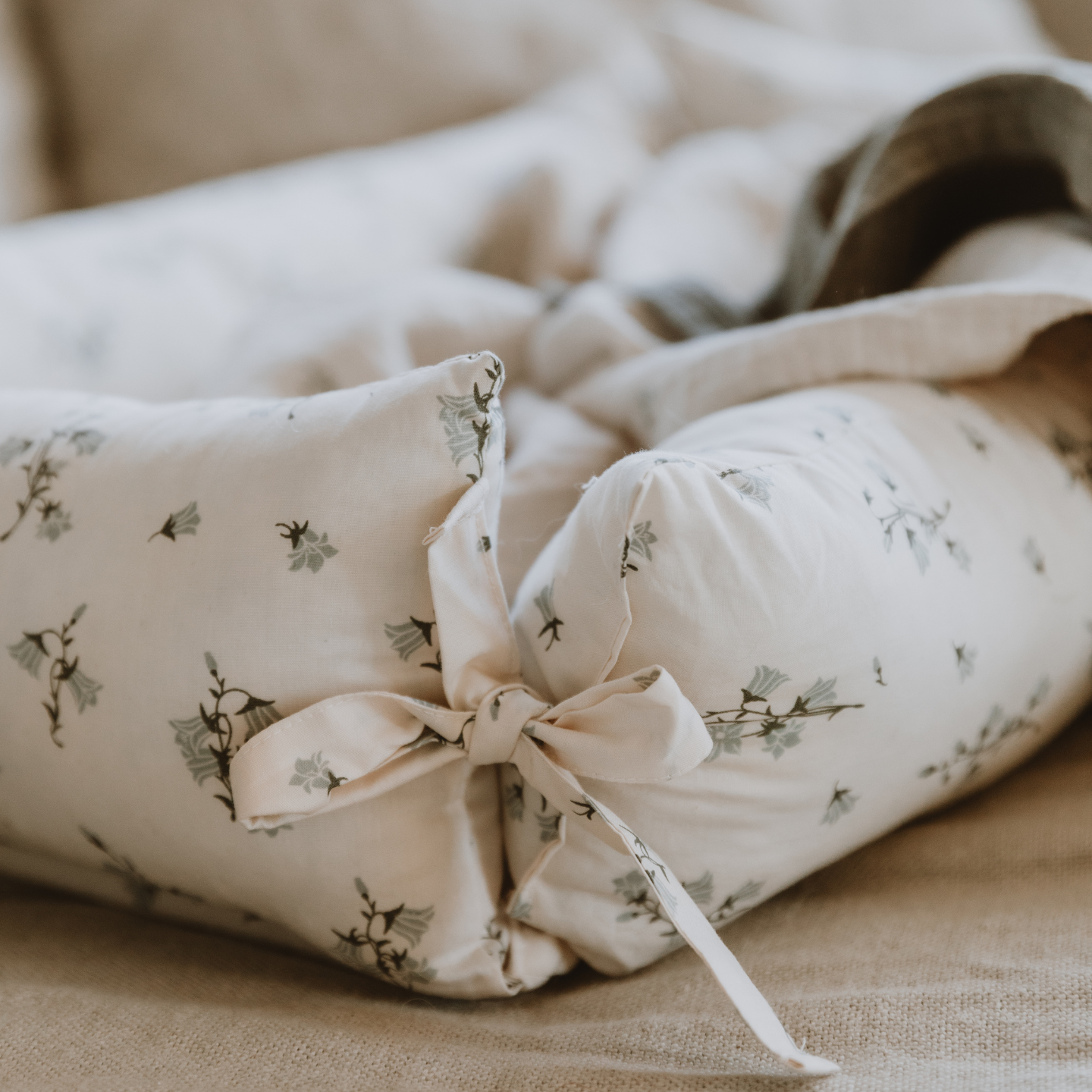
When choosing a baby nest, it is advisable to look for special designs with breathable materials such as cotton. These materials promote efficient air circulation and ensure that fresh air enters the nest while stale air is expelled. Our baby nests create an optimal sleeping environment thanks to good air circulation. However, parents should ensure that the materials used are high-quality and safe to avoid allergic reactions or skin irritations.
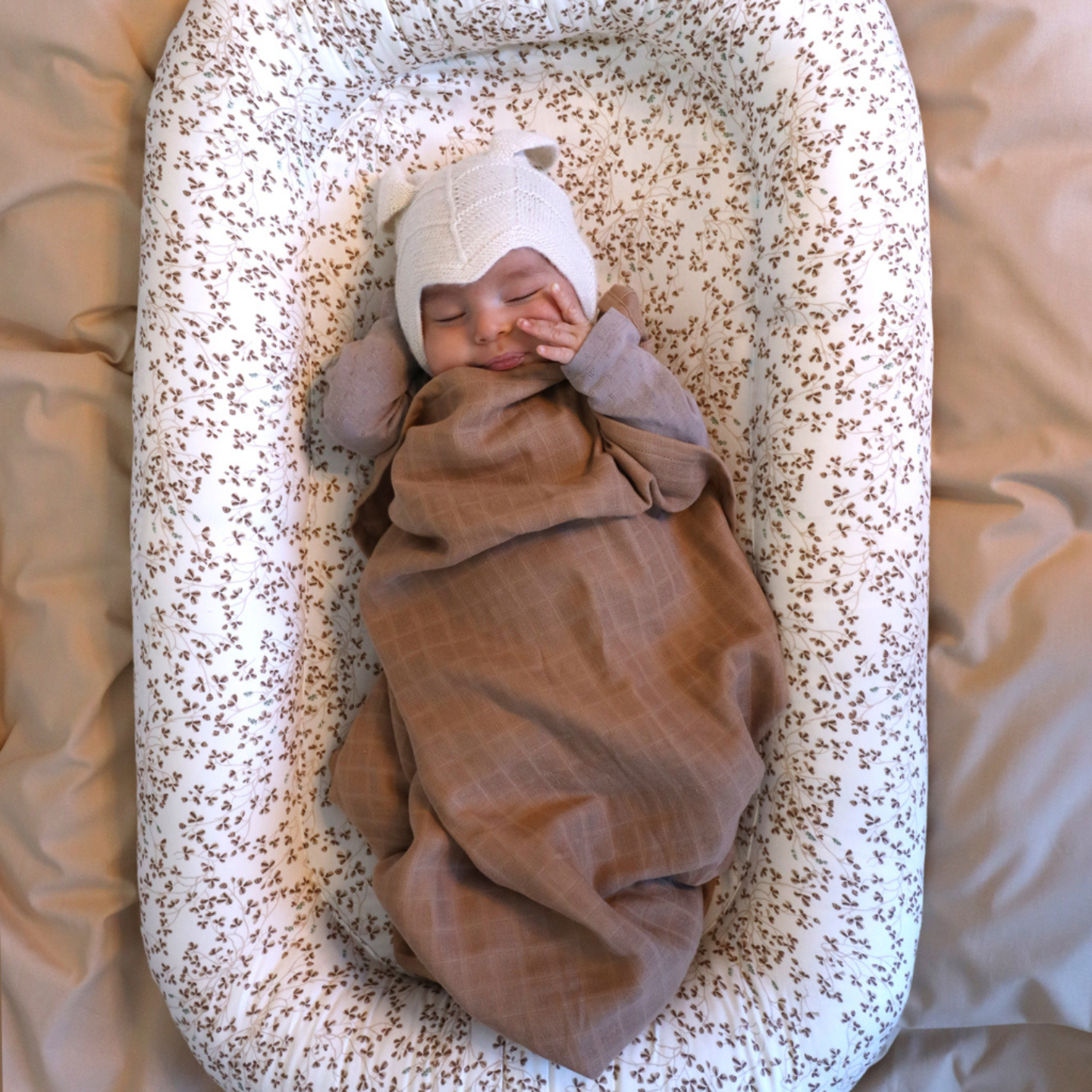
The child should not be wrapped like in a cocoon. Avoid additional padding or pillows in the nest to prevent hindering air circulation. These can increase the risk of suffocation by potentially pushing the baby into a position where their airways are restricted. Instead, the baby nest should be used with the included mattress cover and a thin, breathable blanket to provide comfort without compromising safety.
The regular cleaning of baby nests plays an important role in the hygiene and well-being of the baby – similar to mattresses for babies. Since they have delicate skin and are susceptible to allergies and infections, the nest should be cleaned regularly. Dirt, skin flakes, milk residues, and bacteria can accumulate over time. Consistent cleaning can minimize potential health risks in the sleeping area, allowing the baby to thrive in a clean and healthy environment.
When choosing a baby nest, it is advisable to opt for a machine-washable model. This makes cleaning considerably easier and ensures thorough removal of contaminants. When washing, it is important to use hypoallergenic detergents to avoid skin irritations. A delicate wash cycle at a low temperature protects the delicate materials of the baby nest from excessive wear. After cleaning, the nest should be thoroughly air-dried to prevent moisture and mold growth.
Safety certificates play an essential role in baby products. They show parents and consumers that the products comply with the required safety standards. These certificates are essential to ensure that babies and children are protected from potential hazards and that the materials used and manufacturing methods have undergone strict testing. Parents can thus be confident that the products are free from harmful chemicals, allergenic substances, and other risk factors. By requiring and using safety certificates, manufacturers of baby products demonstrate their responsibility for the health and safety of the youngest consumers.
For baby nests, there are common safety certificates that confirm their quality and harmlessness. The Oeko-Tex Standard 100 certificate guarantees that the textiles used have been tested for harmful substances and therefore pose no danger to sensitive baby skin. The Global Organic Textile Standard (GOTS) certificate, on the other hand, guarantees that materials such as cotton have been organically grown and that the production chain is environmentally friendly and socially responsible. These certificates help ensure that baby nests meet the highest standards in terms of safety, health, and sustainability, and give parents reassuring certainty that they are creating a safe sleeping place for their baby.
When choosing a baby nest, it is advisable to look for special designs with breathable materials such as cotton. These materials promote efficient air circulation and ensure that fresh air enters the nest while stale air is expelled. Our baby nests create an optimal sleeping environment thanks to good air circulation. However, parents should ensure that the materials used are high-quality and safe to avoid allergic reactions or skin irritations.
The child should not be wrapped like in a cocoon. Avoid additional padding or pillows in the nest to prevent hindering air circulation. These can increase the risk of suffocation by potentially pushing the baby into a position where their airways are restricted. Instead, the baby nest should be used with the included mattress cover and a thin, breathable blanket to provide comfort without compromising safety.
The regular cleaning of baby nests plays an important role in the hygiene and well-being of the baby – similar to mattresses for babies. Since they have delicate skin and are susceptible to allergies and infections, the nest should be cleaned regularly. Dirt, skin flakes, milk residues, and bacteria can accumulate over time. Consistent cleaning can minimize potential health risks in the sleeping area, allowing the baby to thrive in a clean and healthy environment.
When choosing a baby nest, it is advisable to opt for a machine-washable model. This makes cleaning considerably easier and ensures thorough removal of contaminants. When washing, it is important to use hypoallergenic detergents to avoid skin irritations. A delicate wash cycle at a low temperature protects the delicate materials of the baby nest from excessive wear. After cleaning, the nest should be thoroughly air-dried to prevent moisture and mold growth.
Safety certificates play an essential role in baby products. They show parents and consumers that the products comply with the required safety standards. These certificates are essential to ensure that babies and children are protected from potential hazards and that the materials used and manufacturing methods have undergone strict testing. Parents can thus be confident that the products are free from harmful chemicals, allergenic substances, and other risk factors. By requiring and using safety certificates, manufacturers of baby products demonstrate their responsibility for the health and safety of the youngest consumers.
For baby nests, there are common safety certificates that confirm their quality and harmlessness. The Oeko-Tex Standard 100 certificate guarantees that the textiles used have been tested for harmful substances and therefore pose no danger to sensitive baby skin. The Global Organic Textile Standard (GOTS) certificate, on the other hand, guarantees that materials such as cotton have been organically grown and that the production chain is environmentally friendly and socially responsible. These certificates help ensure that baby nests meet the highest standards in terms of safety, health, and sustainability, and give parents reassuring certainty that they are creating a safe sleeping place for their baby.
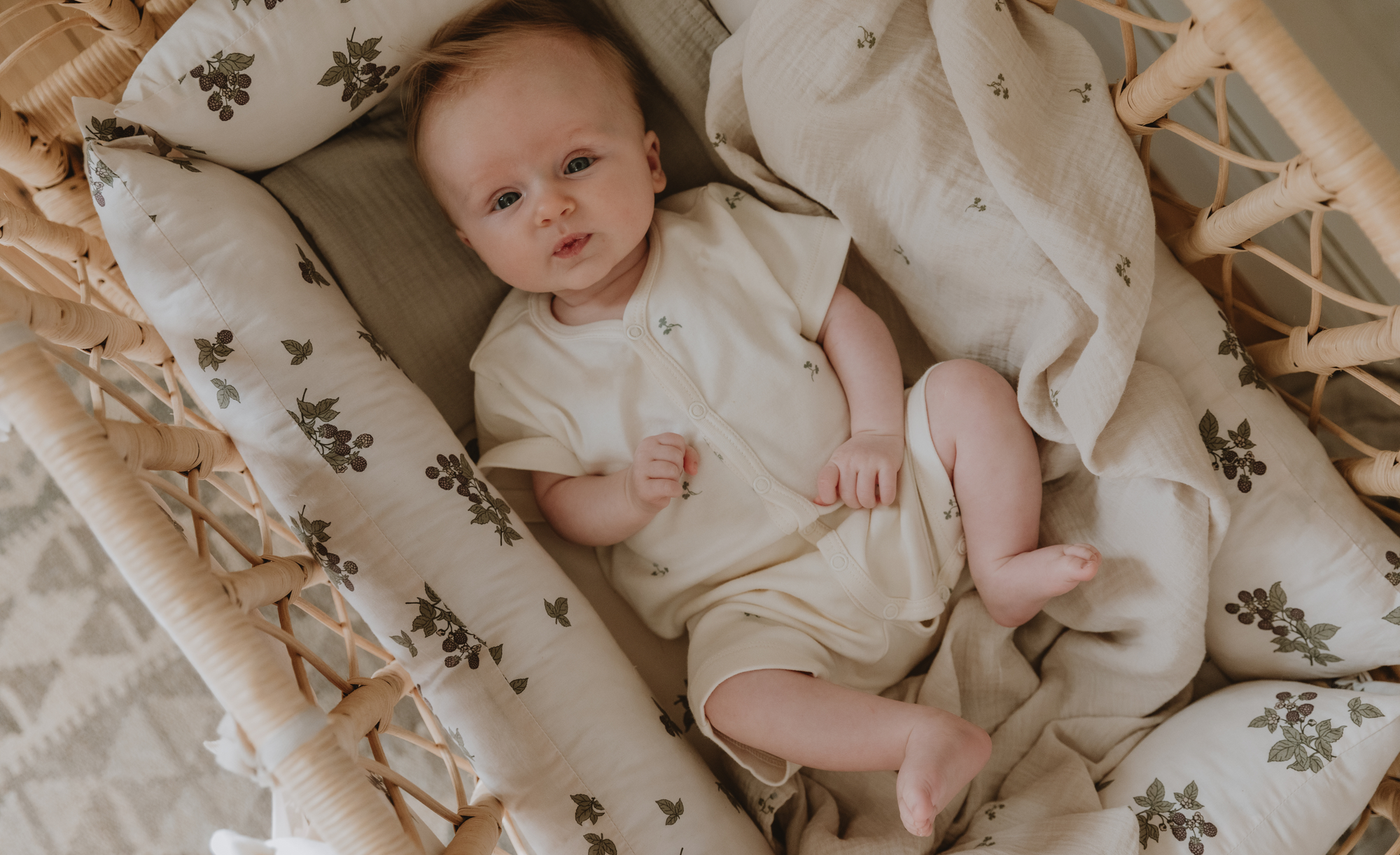
Baby nests offer newborns and infants a comfortable and safe environment that recreates the feeling of confinement in the womb. They are not only a means of calming and security for the child but also a practical aid for parents, as they can be easily transported and used versatilely. These aspects should be particularly considered:
With the right choice, parents can ensure that their baby grows up in a healthy, safe, and comfortable environment.
Baby nests offer newborns and infants a comfortable and safe environment that recreates the feeling of confinement in the womb. They are not only a means of calming and security for the child but also a practical aid for parents, as they can be easily transported and used versatilely. These aspects should be particularly considered:
With the right choice, parents can ensure that their baby grows up in a healthy, safe, and comfortable environment.
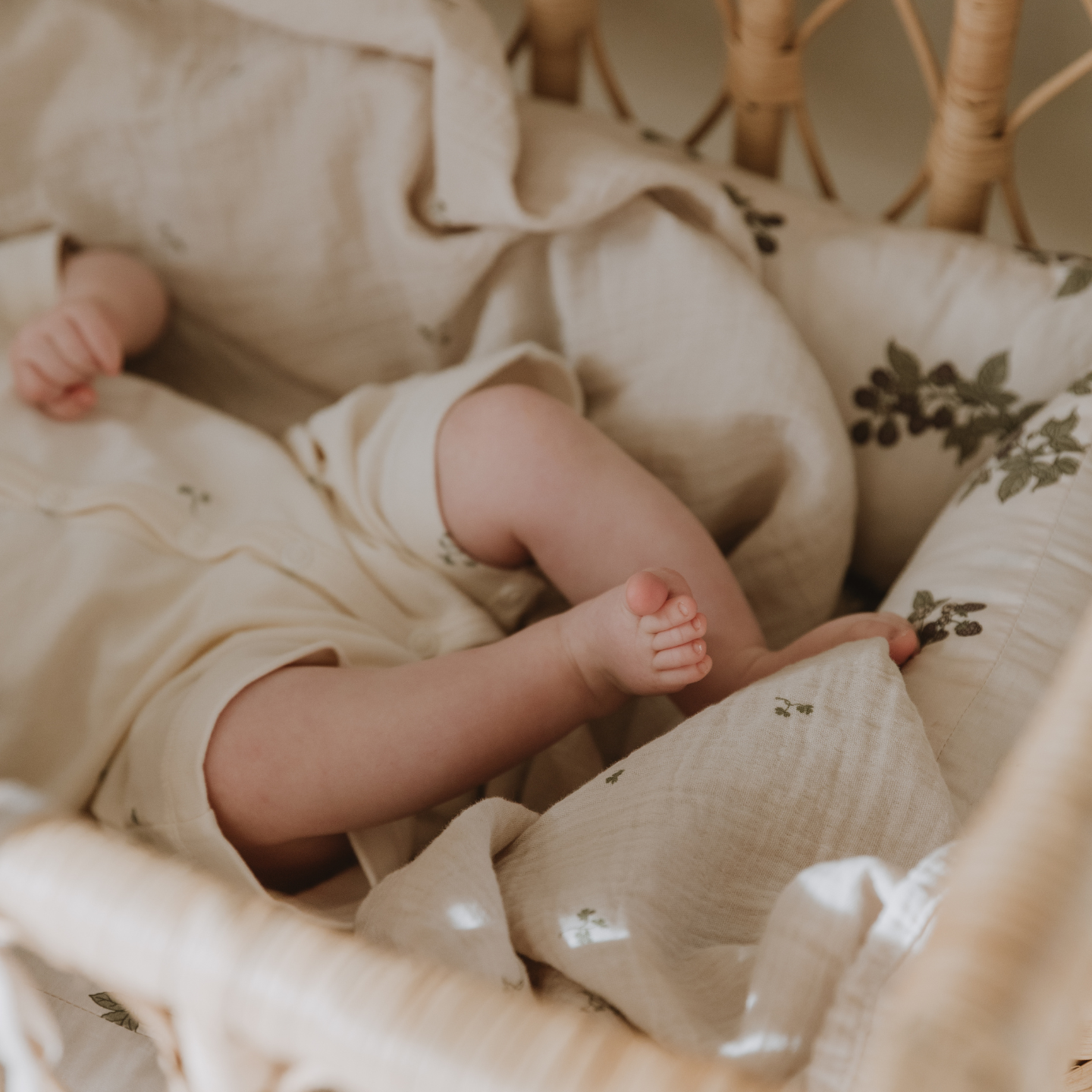
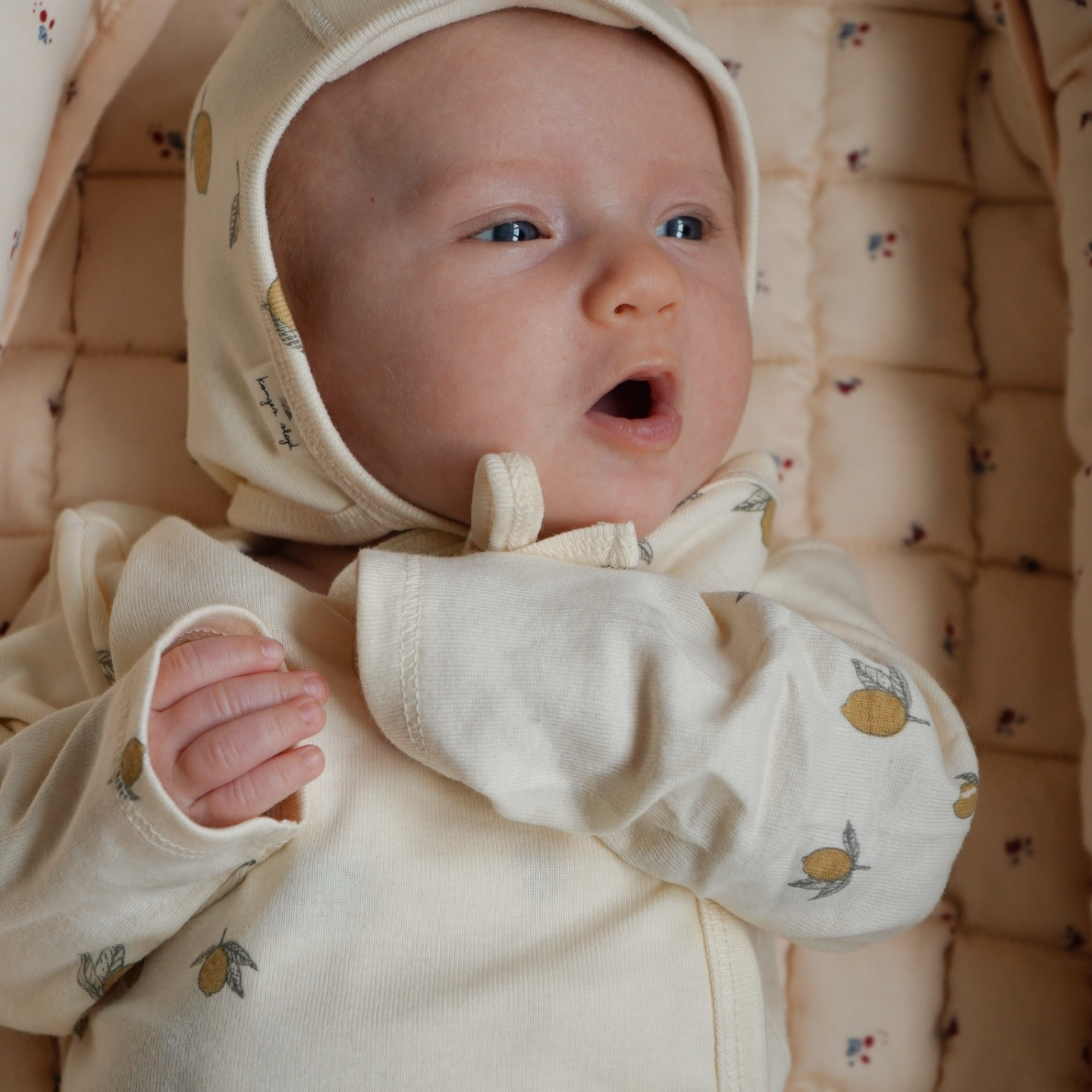
First, the baby nest should be firm and without loose parts or drawstrings. The material should be breathable and free of harmful substances (e.g., cotton). Make sure the baby lies on their back and their face is always clear of any fabric or pillows. The baby's head should not be buried in the baby nest, and there should be enough sleeping space for free breathing. The nest should always be placed on a firm, flat surface and never on soft mattresses, pillows, or sofas. It is also important to ensure that other children or pets do not sleep next to the nest, increasing the risk of injury. Finally, parents should stay in close proximity and regularly check on their child to ensure they are in a safe and secure cocoon.
Baby nests are generally suitable for babies from birth up to about 6 months of age. After this age, babies become too large for a baby nest and should sleep in a crib or cot. However, certain models can be reconfigured and remain in use beyond this point.
The duration of sleep in the baby nest should primarily depend on the baby's safety and comfort. Some experts recommend, for optimal security, to use the baby nest only for short naps and not as a mattress for longer overnight sleep phases. As soon as the child shows signs of mobility, such as rolling over or crawling, they should no longer sleep in the nest, as the risk of suffocation and falling out increases. It is crucial to follow the manufacturer's instructions and safety guidelines and to perform regular checks for wear or damage.
Of course, you can take a baby nest with you when travelling. A baby nest is usually light and compact, so it fits well next to travel bags or suitcases. It provides babies with a familiar and cozy sleeping environment, no matter where you are. When travelling, however, make sure that the baby nest remains clean and dry. It is advisable to transport it in a protective cover or bag to protect it from dirt and moisture.
First, the baby nest should be firm and without loose parts or drawstrings. The material should be breathable and free of harmful substances (e.g., cotton). Make sure the baby lies on their back and their face is always clear of any fabric or pillows. The baby's head should not be buried in the baby nest, and there should be enough sleeping space for free breathing. The nest should always be placed on a firm, flat surface and never on soft mattresses, pillows, or sofas. It is also important to ensure that other children or pets do not sleep next to the nest, increasing the risk of injury. Finally, parents should stay in close proximity and regularly check on their child to ensure they are in a safe and secure cocoon.
Baby nests are generally suitable for babies from birth up to about 6 months of age. After this age, babies become too large for a baby nest and should sleep in a crib or cot. However, certain models can be reconfigured and remain in use beyond this point.
The duration of sleep in the baby nest should primarily depend on the baby's safety and comfort. Some experts recommend, for optimal security, to use the baby nest only for short naps and not as a mattress for longer overnight sleep phases. As soon as the child shows signs of mobility, such as rolling over or crawling, they should no longer sleep in the nest, as the risk of suffocation and falling out increases. It is crucial to follow the manufacturer's instructions and safety guidelines and to perform regular checks for wear or damage.
Of course, you can take a baby nest with you when travelling. A baby nest is usually light and compact, so it fits well next to travel bags or suitcases. It provides babies with a familiar and cozy sleeping environment, no matter where you are. When travelling, however, make sure that the baby nest remains clean and dry. It is advisable to transport it in a protective cover or bag to protect it from dirt and moisture.


Naime
Mother of two and employee at MY SNOWFLAKE